Services
-
What is EMDR?
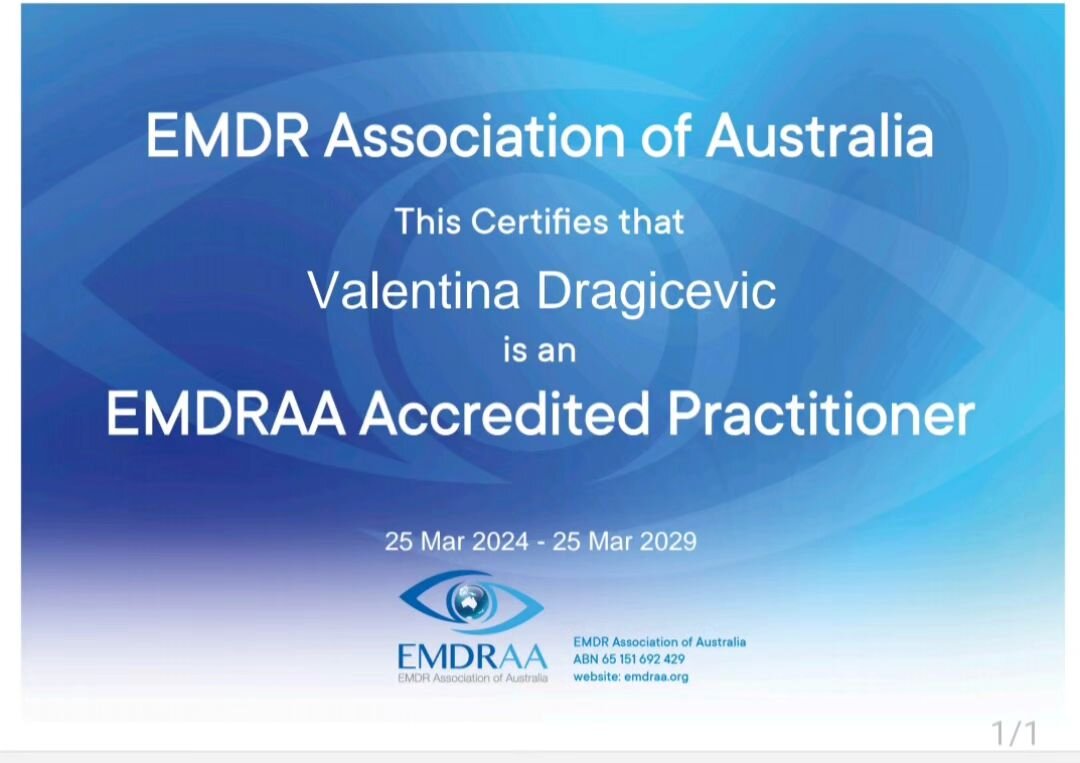
EMDR, or Eye Movement Desensitization and Reprocessing, is a therapeutic approach designed to help individuals process distressing memories and overcome the negative effects of traumatic experiences. Developed by Francine Shapiro in the late 1980s, EMDR has gained widespread recognition as an effective method for addressing various psychological challenges.
Key Components of EMDR
1. Assessment: The therapist works with the client to identify specific memories or experiences causing distress and explores associated negative beliefs.
2. Desensitization: During this phase, the client recalls the distressing memory while simultaneously focusing on bilateral stimulation, often achieved through guided eye movements or other rhythmic stimuli.
3. Installation: Positive beliefs are reinforced, replacing negative thoughts associated with the traumatic memory. This step helps build resilience and a more positive self-perception.
4. Body Scan: The therapist assists the client in addressing any residual physical tension or discomfort related to the targeted memory.
5. Closure: The session concludes by ensuring the client is in a stable state, and any unfinished processing is addressed.
Benefits of EMDR
1. Trauma Resolution: EMDR is particularly effective in treating post-traumatic stress disorder (PTSD) and trauma-related symptoms, allowing individuals to process and integrate difficult experiences.
2. Accelerated Healing: EMDR often yields faster results compared to traditional talk therapy, making it a time-efficient option for those seeking relief from distressing memories.
3. Reduced Emotional Reactivity: Clients often report a decrease in emotional intensity associated with distressing memories, leading to improved emotional regulation.
4. Increased Self-Efficacy: EMDR helps individuals develop a greater sense of control and empowerment over their emotions and responses to triggering situations.
5. Versatility: While initially developed for trauma, EMDR has been successfully applied to a range of issues, including anxiety, depression, phobias, and performance-related concerns.
EMDR is typically conducted over several sessions, and the number of sessions required can vary depending on the individual’s specific needs and the complexity of their trauma. The goal is to help the individual process traumatic memories, reduce their emotional impact, and promote healing and adaptive coping. EMDR is often used in conjunction with other therapeutic approaches as part of a comprehensive treatment plan. It should be administered by a trained and licensed EMDR therapist.
Reach out today at 07 4440 0008.
I am so excited to embark on this transformative path with you.
-
What is EMDR intensive?
EMDR (Eye Movement Desensitization and Reprocessing) intensives are a specialised kind of therapy that provides efficient results by targeting specific issues or themes. Unlike traditional therapy sessions that are spread out over weeks or months, intensives offer longer session lengths, ranging from half a day to two days, to work through issues to resolution in a concentrated amount of time.
EMDR intensives are not weekly recurring therapy sessions. They are personalized treatment plans that are designed to support your preferred schedule and timeline for your treatment goals. During a consultation, we will work together to determine the type of intensive and length that best suits your history and goals.
What are the benefits of doing an EMDR Intensive?
The benefits of doing an EMDR intensive are numerous. Clients often experience relief from their pain and resolve issues and barriers in just one intensive session. The concentrated and focused nature of intensives allows us to “go deep” and stay there until we reach the other side of the target, without starting and stopping multiple times. This results in faster and more efficient therapy, saving you months and years of traditional therapy.
Another benefit of EMDR intensives is the ability to skip the waitlist and have faster access to select spots. The personalized treatment plans are designed to fit your schedule and provide a cost-effective option as the work is highly focused and efficient, maximizing the therapeutic outcome.
EMDR Intensives offer time and money savings, faster increases in life satisfaction, and faster elimination of suffering.
EMDR Intensive Schedule: Half-Day Program
Includes: 5 therapy hours + resources/ assessments/ customised treatment workbook
$1200
-Pre-consultation Assessments to identify symptoms you’d like to alleviate, your attachment style, areas of activation or triggers, memories or experiences that still need attention and soothing
-Personalized treatment workbook, which allows you to work on your treatment goals before and after EMDR intensive sessions
-Customized 3-hour EMDR Intensive
-Post-treatment interview to assess and support your adaption to positive changes from treatment
EMDR Intensive Schedule: Full-Day Program
-Includes: 10 therapy hours + resources/ assessments/ customised treatment workbook
$1920
-Pre-consultation Assessments to identify symptoms you’d like to alleviate, your attachment style, areas of activation or triggers, memories or experiences that still need attention and soothing
-Personalized treatment workbook, which allows you to work on your treatment goals before and after EMDR intensive sessions
-Customised 6-hour EMDR Intensive spread over 2 days
-Post-treatment interview to assess and support your adaption to positive changes from treatment
EMDR is not just for trauma; it is also used for performance enhancement to excel in areas such as athletics, business, and relationships.
Reach out today at 07 4440 0008.
I am so excited to embark on this transformative path with you.
-
Unlocking Comprehensive Care: Introducing Adjunct EMDR Therapy
Hey Fellow Therapists,
Have you ever encountered challenges in addressing persistent trauma symptoms working with a client? Flashbacks, nightmares, intrusive thoughts—sound familiar? Despite your best efforts, it's evident that these issues extend outside your typical area of focus. You know they could use some trauma work, but you also know there is still so much that you have to offer them. Do you refer them out or keep working and doing your best to address their trauma symptoms - even though you feel a little out of your depth? Why should you have to choose? Why can’t it be both! This is where I come in teaming with you to offer Adjunct EMDR Therapy.
Discover the Power of Adjunct EMDR Therapy.
I believe in a dynamic therapeutic collaboration. Picture yourself, the primary therapist, joining forces with Valentina to deliver unparalleled care. Your client, already under your guidance, gains the advantage of addressing specific concerns with the additional expertise of an EMDR therapist. Sessions can seamlessly occur concurrently or involve a brief pause in your care while they delve into the focused EMDR intervention.
How does this collaboration work?
You and Valentina collaborate to craft a personalised treatment plan. With the client's consent, you coordinate schedules that suit their needs. Once the agreed-upon Adjunct EMDR Therapy timeframe concludes, the client returns exclusively to your care.
Why is Adjunct EMDR helpful to clients and clinicians?
Adjunct EMDR Therapy creates a treatment team of different strengths and expertise. While I can offer trauma therapy, I do not have extensive knowledge of other concerns like eating disorders or OCD. Partnering with other therapists helps clients get the very best care for all the complexities they are dealing with. We serve our clients better when we work together.
It's simple: when therapists join forces, clients receive the absolute best care.
Let's enhance the way we serve our clients—by working together! For more details on Adjunct EMDR Therapy, feel free to reach out to Valentina.
-
Welcome to a transformative journey – one that’s all about understanding yourself on a deeper level and crafting the life you’ve always envisioned. Individual counselling is more than just therapy; it’s an opportunity for profound insights and enduring change.
Unlock Your Story: Past and Present
Counseling is your gateway to exploring your inner world, spanning both your past experiences and your current situation. Within this safe and supportive environment, we’ll delve into your thoughts, emotions, and behaviors, piecing together the puzzle of how they shape your unique path.
Uncover the Roots, Create Lasting Change
What sets my counseling apart is our commitment to delving deeper. I'm not content with surface-level solutions – I aim to uncover the core of your challenges. By addressing the root causes, we're setting the foundation for lasting and meaningful transformations in your life.
Empowerment Through Tools and Techniques
But that’s not all. I believe in arming you with practical tools to move forward and design the life you’ve been yearning for. From coping strategies to effective communication techniques, you will have the skills you need to navigate obstacles and achieve your goals.
Tailored to You: Your Unique Journey
No two journeys are alike. That’s why my approach to therapy is highly personalized. We collaborate to design a treatment plan that aligns with your values and aspirations. Throughout this process, expect clarity, insights, and the empowerment to embark on a more fulfilling path.
Our Expertise, Your Peace of Mind
I can guide you through a range of mental health challenges and help you deal with common issues such as:
-Adjusting to life stressors and changes
-Anxiety and Stress
-Chronic pain
-Chronic Health Conditions (IBS, IBD, Fibromyalgia)
-Commitment and intimacy issues
-Confidence, self-esteem, and self-worth
-Depression and low mood
-Grief and Loss
-Post Traumatic Stress Disorder
-Relationship difficulties
-Trauma
-Weight loss and weight management
A Tapestry of Approaches
In the world of therapy, there’s no one-size-fits-all solution. That’s why I integrate a variety of therapeutic approaches including Eye Movement Desensitisation and Reprocessing (EMDR), Emotional Freedom Techniques (EFT), Schema Therapy, and Clinical Hypnosis -all aimed at offering you the best shot at a fulfilling life.
Let’s Begin Your Journey
Ready to dive into self-discovery, growth, and a more rewarding life? It all starts with a simple conversation.
Reach out today at 07 4440 0008.
I am so excited to embark on this transformative path with you.
-
A Gentle, Science-Backed Approach to Nervous System Regulation
Developed by Dr. Stephen Porges, the Safe & Sound Protocol (SSP) is an evidence-based auditory vagus nerve stimulation rooted in Polyvagal Theory. It uses filtered music to gentley stimulate the vagus nerve through the auditory pathways, helping the body move out of chronic stress responses such as fight, flight, or shutdown..
This approach is ideal for clients who experience:
Trauma & PTSD – Supporting emotional regulation and reducing hypervigilance
Autism & Sensory Sensitivities – Helping to reduce overwhelm and sensitivities
Long COVID & Chronic Illness – Beneficial for POTS, fibromyalgia, chronic fatigue syndrome, and gut-related issues
Anxiety & Stress-Related Disorders – Encouraging a calmer physiological and emotional state Sleep Difficulties Burnout and nervous system exhaustionHow SSP Helps
Through gentle, progressive exposure to filtered music, SSP:
- Stimulates the vagus nerve to promote relaxation and regulation
- Helps you connect with yourself, others, and the world from a place of safety
- Supports autonomic nervous system balance for improved resilience and well-beingBenefits of SSP
- Reduces trauma-related symptoms & anxiety
- Decreases sensory sensitivities & auditory overwhelm
- Improves emotional regulation & stress tolerance
- Enhances attention, focus, and cognitive clarity
- Supports gut health & digestive function
- Helps with long COVID-related nervous system symptoms
- Encourages a calmer, more regulated physiological stateWhy Microdosing SSP?
Microdosing the Safe & Sound Protocol (SSP) is often recommended for individuals who are highly sensitive to auditory input or have a fragile nervous system. It allows for a gentler, more gradual approach to the protocol, reducing the risk of overwhelm or adverse reactions.
Slow & Safe – Listen for just a few minutes per session to avoid overwhelm
Personalised Approach – Tailored pacing based on your unique nervous system
Regulation & Resilience – Supports a smoother transition to a more balanced state
Long-Term Integration – Encourages sustainable nervous system healingProgram Fee - $1000
The program includes:
1 x 60-minute Initial Consultation to assess suitability and establish a listening plan
1 x End-of-Protocol Review to integrate outcomes and plan next steps
12-month access to the SSP listening platform with progress monitoring
Reach out today at 07 4440 0008.
I am so excited to embark on this transformative path with you.
-
Rebalance Your Body. Reconnect Your Mind. Restore Your Wellbeing
What is the Rest and Restore Protocol?
The Rest and Restore Protocol (RRP) is a gentle, sound-based therapy developed by Dr Stephen Porges, the neuroscientist who created Polyvagal Theory.
It’s designed to help your body and brain move out of stress and back into a state of calm and safety.The protocol uses special rhythmic sound frequencies that communicate directly with your autonomic nervous system— the part of your body that controls heart rate, breathing, digestion, and emotional regulation.
You simply listen to soothing, rhythmically structured music through headphones or speakers.
There’s no talking, analysing, or effort required — just resting and allowing your body to respond.Who It Helps
RRP is ideal for individuals experiencing:
Chronic stress, burnout, or fatigue
Anxiety or depression
Trauma-related symptoms
Sleep disturbances
Gut-brain issues (IBS, nausea, appetite changes)
Emotional dysregulation or hypersensitivity
Autonomic conditions (POTS, hEDS, dysautonomia)
Difficulty relaxing or feeling safe in the body
It is especially effective for those whose nervous systems are stuck in fight, flight, or freeze, and who struggle to access talk therapy due to chronic dysregulation.
How It Works
When we experience chronic stress, trauma, illness, or emotional overload, the body can become “stuck” in survival mode — fight, flight, or freeze.
The RRP helps your body remember what it feels like to rest, digest, and restore.The sound patterns used in the protocol are carefully designed to:
Support vagus nerve activation and flexibility
Encourage rhythmic synchrony in the body’s natural systems (heart, breath, digestion)
Gently guide your nervous system toward balance
Promote feelings of safety, connection, and calm
Benefits of RRP
Everyone experiences the Rest and Restore Protocol differently.
Some people notice immediate relaxation, while others experience subtle shifts over several sessions.You might notice:
Feeling calmer or more grounded
Warmth, tingling, or gentle sensations in the body
Feeling sleepy or deeply relaxed
More emotional balance or resilience
Improved sleep, digestion, or energy
These are signs your nervous system is beginning to regulate itself.
Why Microdosing RRP?
Microdosing the Rest and Restore Protocol (RRP) is often recommended for individuals who are highly sensitive to auditory input or have a fragile nervous system. It allows for a gentler, more gradual approach to the protocol, reducing the risk of overwhelm or adverse reactions.
Slow & Safe – Listen for just a few minutes per session to avoid overwhelm
Personalised Approach – Tailored pacing based on your unique nervous system
Regulation & Resilience – Supports a smoother transition to a more balanced state
Long-Term Integration – Encourages sustainable nervous system healingProgram Fee - $1000
The program includes:
· 1 x 60-minute Initial Consultation to assess suitability and establish a listening plan
· 1 x End-of-Protocol Review to integrate outcomes and plan next steps
· 12-month access to the RRP listening platform with progress monitoring
Reach out at 07 4440 0008
I am so excited to embark on this transformative path with you.tion
-
Supervision
Hi, I’m Valentina — a Clinical Psychologist and Board-Approved Supervisor with over 15 years of experience supporting individuals with complex emotional and health challenges.
In my clinical practice at Soul Soothing Psychology, I work primarily with adults experiencing trauma, anxiety, nervous system dysregulation, and chronic health conditions. My approach is integrative and trauma-informed, drawing on modalities such as Eye Movement Desenzitation and Reprocessing (EMDR), Schema Therapy, Acceptance and Commitment Therapy (ACT), Emotional Freedom Techniques (EFT), clinical hypnosis, and Polyvagal-informed nervous system regulation.
Alongside my clinical work, I am passionate about supporting psychologists in their professional development. In supervision, I aim to create a warm, collaborative, and reflective space where clinicians can explore clinical challenges, strengthen their therapeutic skills, and develop confidence in their work.
I see supervision as more than meeting professional requirements — it is an opportunity to deepen clinical thinking, develop your authentic therapeutic style, and reflect on the relational and emotional aspects of therapeutic work.
My supervision style is supportive, curious, and collaborative. I value open dialogue, thoughtful case formulation, and tailoring supervision to your individual learning goals, stage of development, and the Psychology Board of Australia’s core competencies.
I particularly enjoy supporting clinicians who are interested in trauma-informed practice, mind-body approaches, and working with complex presentations.
If you’re looking for a supervisor who values reflection, curiosity, and meaningful professional growth, I’d love to connect and see if we might be a good fit.
Hey there,
I am Valentina, the face and heart behind Soul Soothing Psychology.
A passionate believer in the power of healing and resilience.
I understand that life's journey can sometimes leave us with emotional scars. My mission is to provide a compassionate and empowering space for individuals seeking solace, growth, and transformation.
Let's embark on this journey together!